Dior Couture 2026: Jonathan Anderson’s First Haute Couture

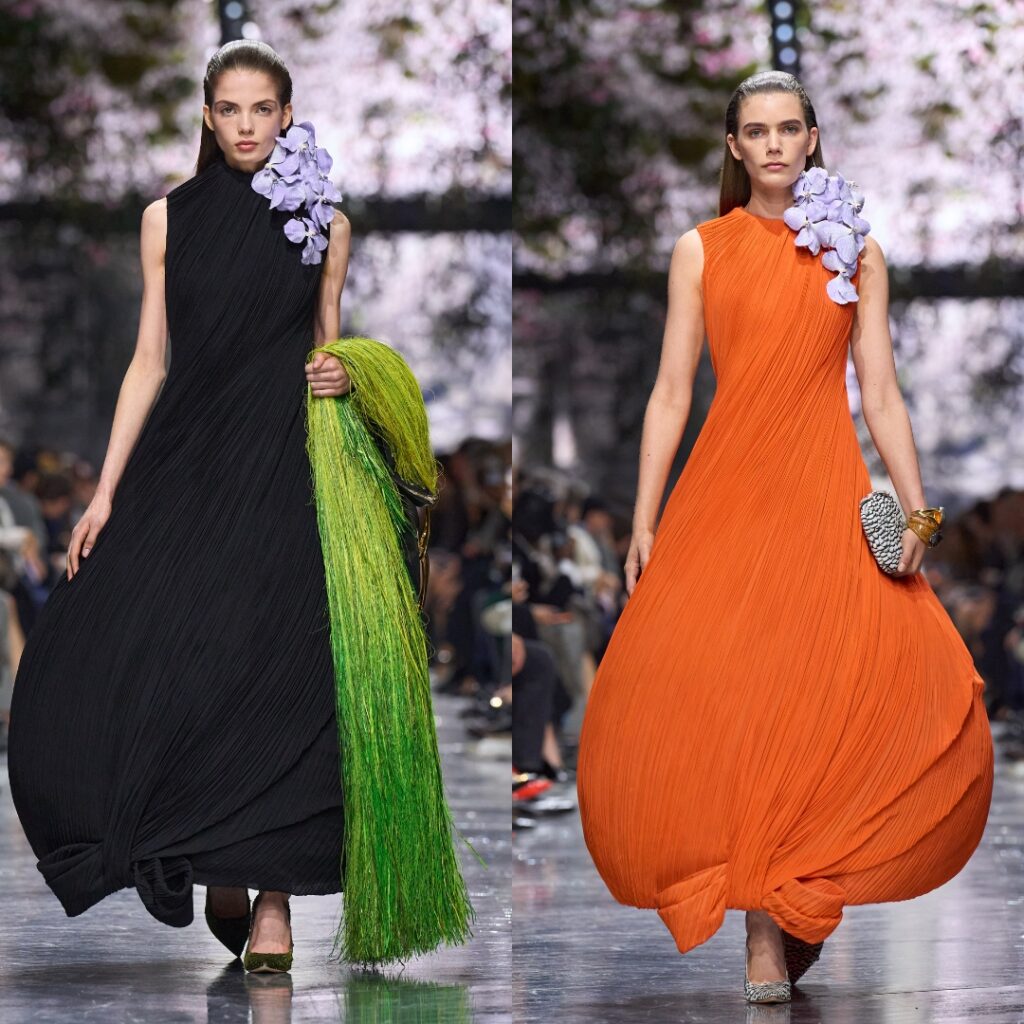
There is something quietly overwhelming about Dior Haute Couture 2026, especially when it marks the very first haute couture collection by Jonathan Anderson, now holding the creative reins of Dior womenswear and menswear.
Eight collections a year. Endless deadlines. Public scrutiny at an industrial scale. And then, on top of all that: haute couture.
One can only imagine the chemical cocktail behind the scenes: adrenaline, melatonin, and a few exhausted tears, as Anderson prepared his very first couture show. Not because of pressure alone, but because couture demands something fashion rarely allows anymore: time, humility, and submission to craft.
In a candid interview with Business of Fashion, Anderson admitted that couture was never part of his personal mythology. Quite the opposite.
What Is the Purpose of Haute Couture Today?
This was the first question Imran Amed asked him, and Anderson’s answer was disarmingly honest.
“I had never projected myself into couture. I never really understood it. I would probably have said it was irrelevant.”
That position shifted radically once Anderson stepped into Dior as full creative director. Not out of nostalgia, but through daily exposure to the couture ateliers and to the people who quietly keep this endangered ecosystem alive.
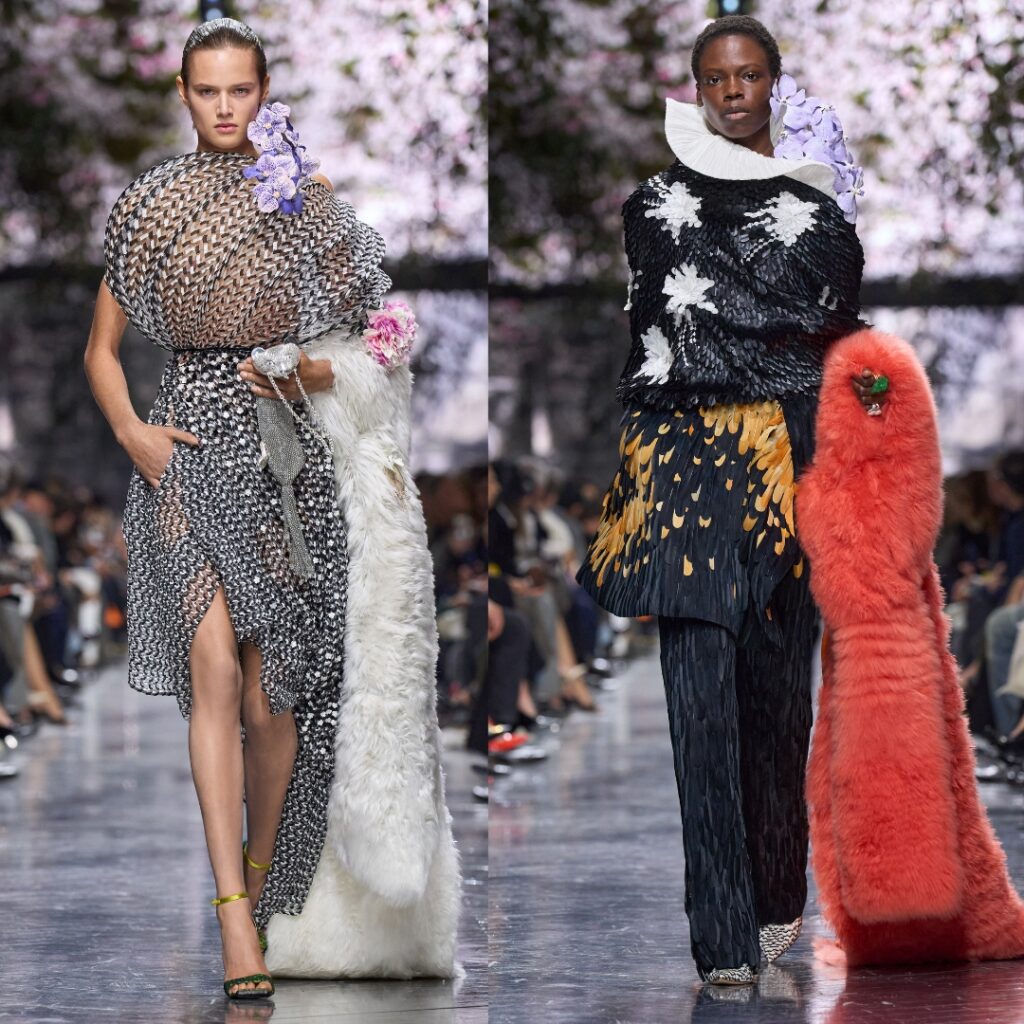
He speaks of learning every day: watching artisans build fabrics from scratch, lace by lace, embroidery by embroidery. Couture, in this sense, is not spectacle. It is preservation.
Protecting endangered craft is not a romantic side effect of haute couture; it is its core function.
But there is more.
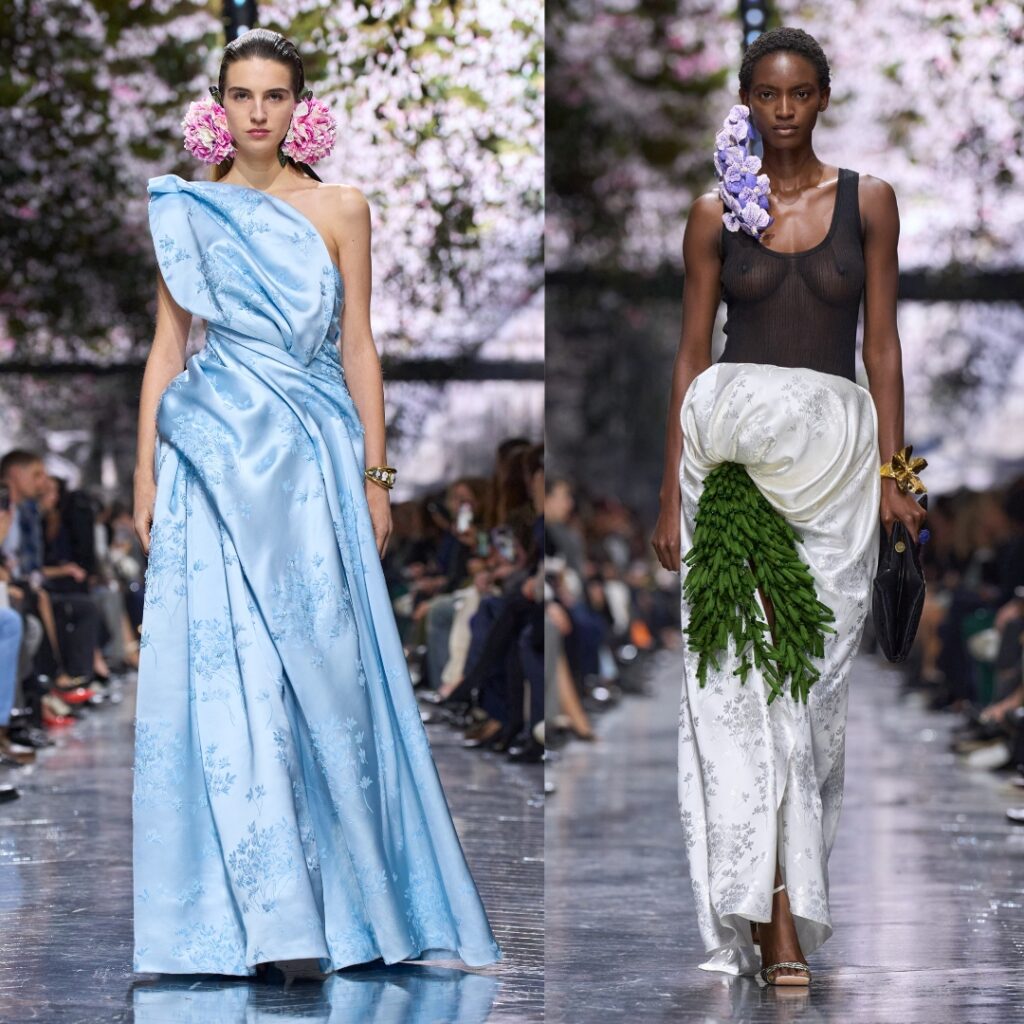
Couture is also Dior’s creative laboratory. A space where fantasy can exist without compromise, before being distilled, gently, intelligently, into ready-to-wear, accessories, and even brand posture. Couture is not an isolated exercise; it is the backbone of the house’s values, imagination, and authority.
Dior Haute Couture 2026: A Garden in Three Acts
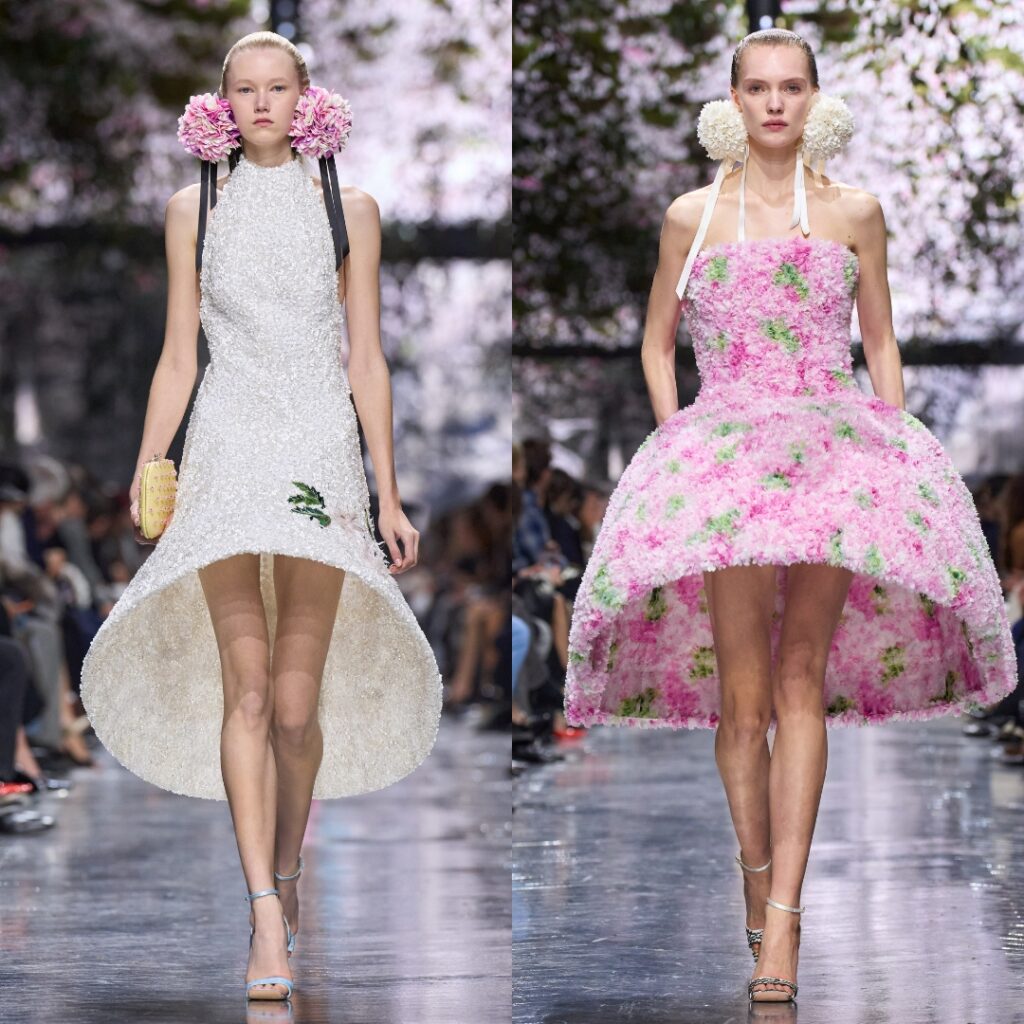
The narrative of Dior Couture 2026 was sparked by something deceptively simple: a bouquet of cyclamen, given to Anderson by former Dior artistic director John Galliano.
From that gesture grew a collection populated by floral, almost mythical silhouettes, models appearing like creatures from a dream garden rather than a runway.
The project unfolded in three deliberate acts:
Act I: The Runway
The public moment. The image-making ritual. Necessary, but incomplete.
Act II: The Intimate Presentations
Held at Villa Dior, where clients could handle each garment, examine its construction, and engage directly with the atelier teams, followed by days of private selling. Couture as conversation, not content.
Act III: The Public Exhibition
A rare open invitation to experience the collection in dialogue with Christian Dior himself and contemporary artist Magdalene Ndondue. Technique, context, and provenance were placed front and centre.
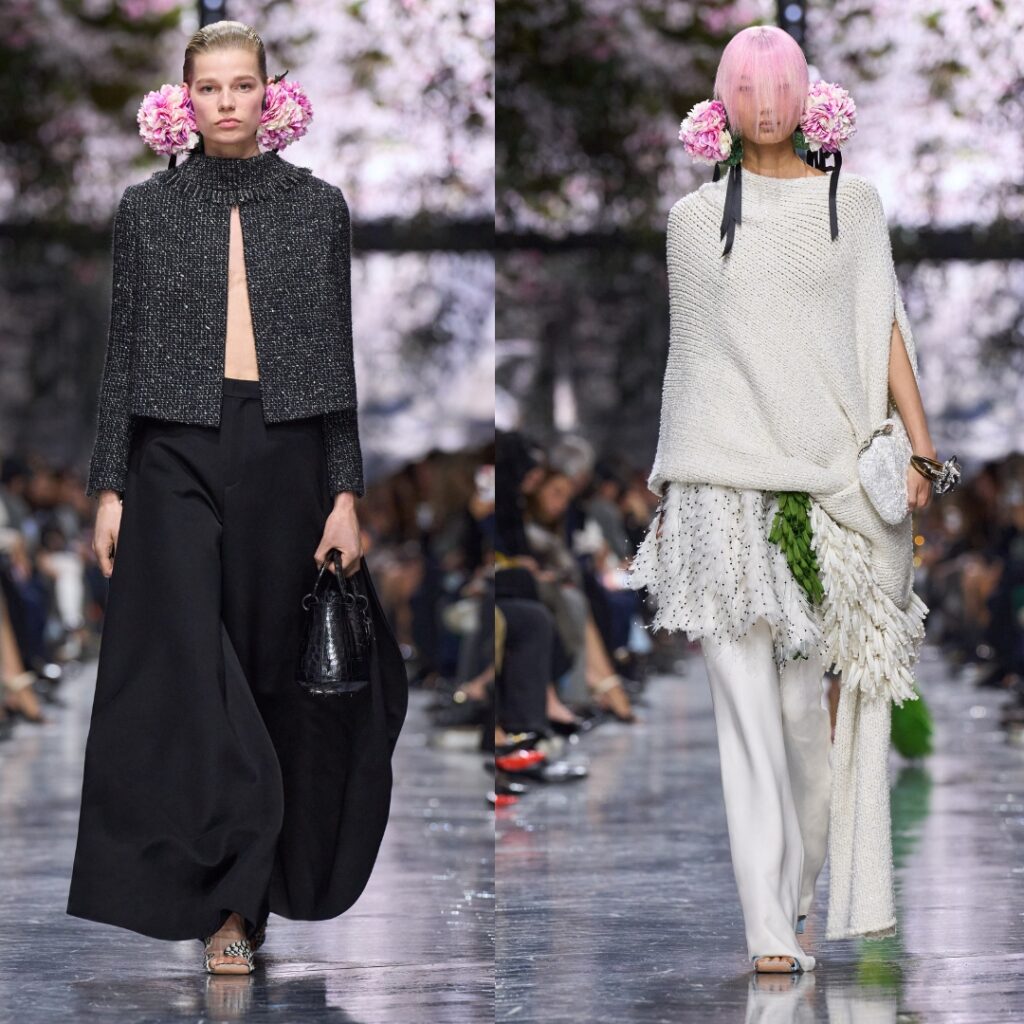
As Anderson put it:
“A photograph will never tell you that a dress took 4,000 hours. This is just as important to me as the fashion show. I’m inviting people to see something physical — because it may change your mind.”
In an era obsessed with visibility, Anderson argues for presence.
The Haute Couture Market: Small, Powerful, Misunderstood
Realistically, haute couture serves a global audience of roughly 4,000 potential clients. Annual spending ranges from €50,000 to €500,000 per client, resulting in a total market value of approximately €300–500 million per year.
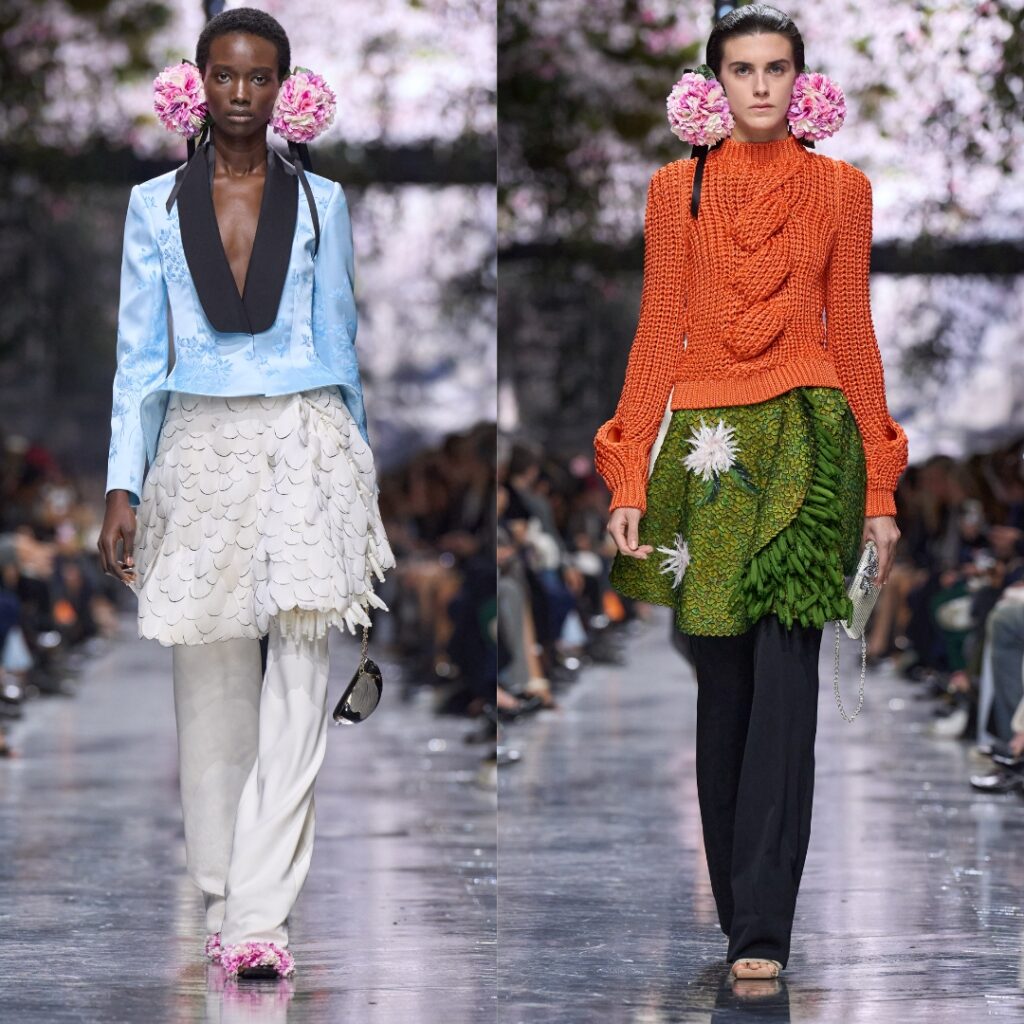
To put that into perspective: this is less than the annual revenue of a single “accessible luxury” brand.
This explains why only a handful of maisons maintain the infrastructure and the patience required for couture. It is not designed to scale. It is designed to mean something.
Haute couture does not dress the world.
It explains, quietly and insistently, what a house believes beauty, time, and responsibility should look like.
Images courtesy @dior
SHARE



