SOSHIOTSUKI x ZARA: The Japanese Collab Redefining Human Connection

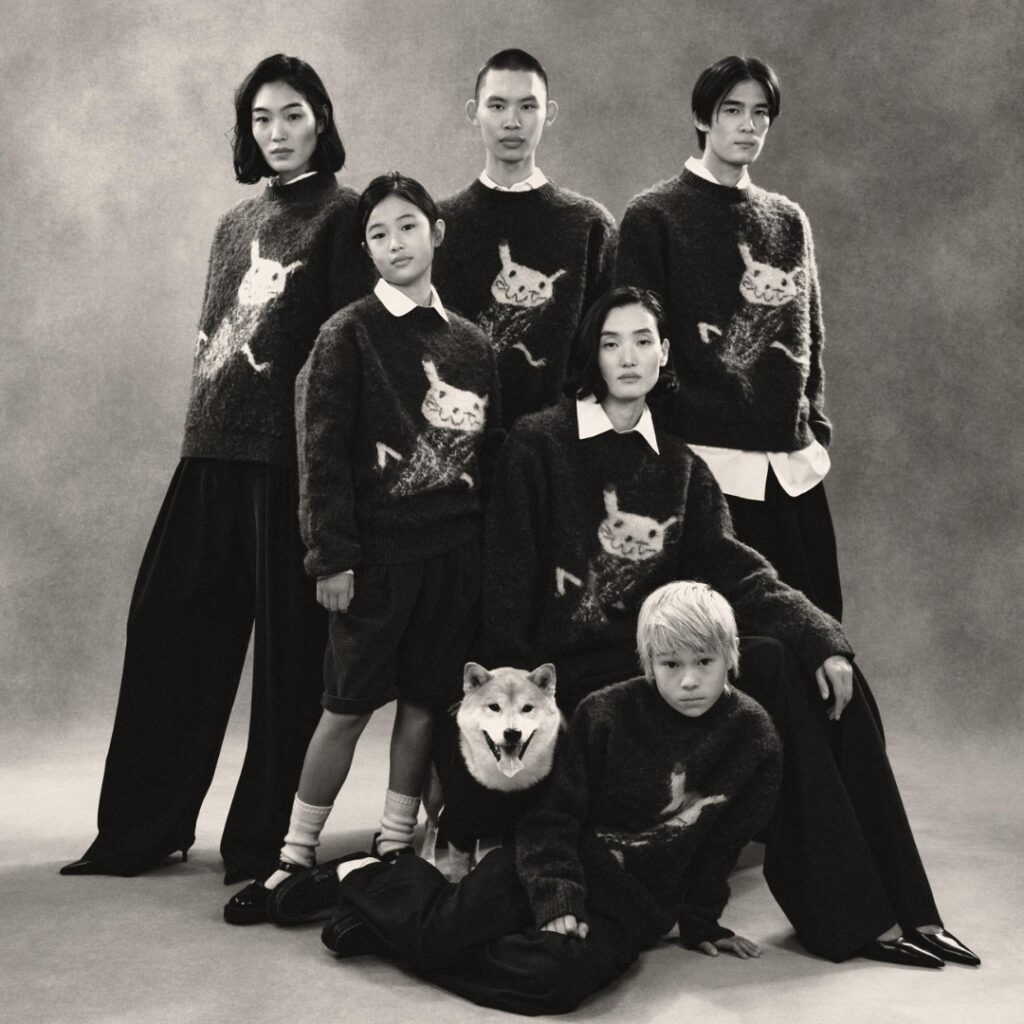
Zara has just unveiled its latest designer partnership: SOSHIOTSUKI x ZARA, a capsule crafted with Japanese designer Soshi Otsuki and built around the theme “A Sense of Togetherness.”
Spanning womenswear, menswear and kids, the collection is already available online and in selected stores.
But beyond the aesthetics, this collaboration taps into one of the biggest cultural conversations of 2025: our growing need for real human connection.
Why “A Sense of Togetherness” Matters in 2025
Fashion always mirrors the emotional temperature of society. And right now, we’re living in a curious split: hyper-connectivity on screens and hyper-isolation in real life.
While technology advances at an overwhelming speed, many people struggle with:
- fragile friendships
- complicated dating norms
- low emotional expression
- the inability to maintain real-life bonds
But a quiet revolution is on the rise. We see it in the spiritual longing of artists like Rosalía, in younger generations rediscovering books, and in the increasing interest in faith, purpose and mental health.
Humans are social beings, wired for belonging.
The SOSHIOTSUKI x ZARA editorial captures this beautifully: nostalgic compositions, calm colours, and silhouettes that feel emotionally grounded.
It’s fashion as a reminder that we still need one another.
Who Is Soshi Otsuki? The Japanese Designer You Should Know
This collaboration marks a defining moment for both Zara and Japan’s rising star, Soshi Otsuki.
Born in Chiba in 1990, Otsuki recently won the Grand Prix at the 2025 LVMH Prize, instantly placing him at the centre of global fashion attention.
A devoted admirer of Giorgio Armani and Hedi Slimane, Otsuki reworks traditional Italian tailoring through a distinct Japanese sensibility:
- floating, airy fabrics
- wide, architectural trousers
- strong, volumised shoulders
- unexpected details like double belts, skinny ties and cropped jackets
His work is polished yet poetic—precise, but never cold.
This is exactly why the collaboration feels culturally sharp and aesthetically rich.
What to Expect From the SOSHIOTSUKI x ZARA Capsule
The collection, titled “A Sense of Togetherness,” draws inspiration from Japan’s 1980s and 1990s cultural landscape—a period of emotional nostalgia and understated elegance.
Womenswear
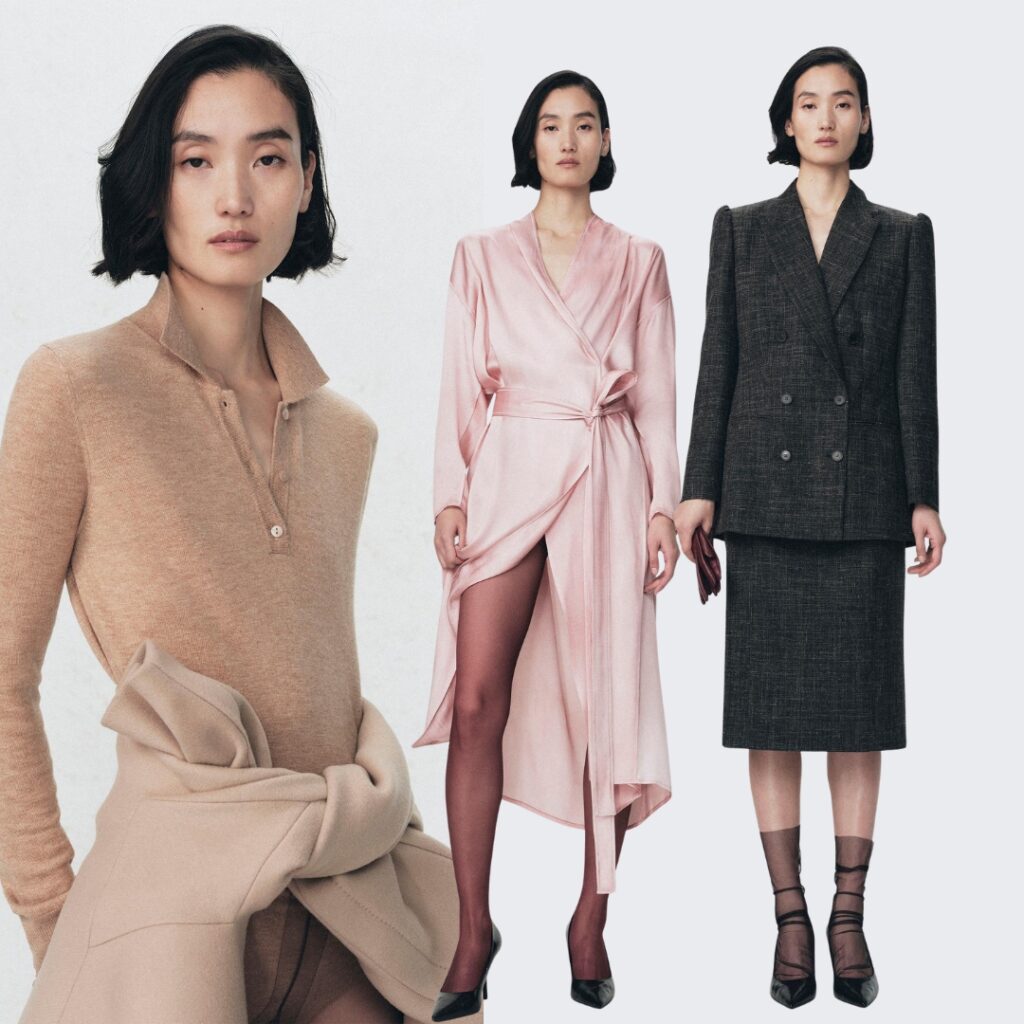
Fluid silhouettes and soft tailoring that move with the body.
Menswear
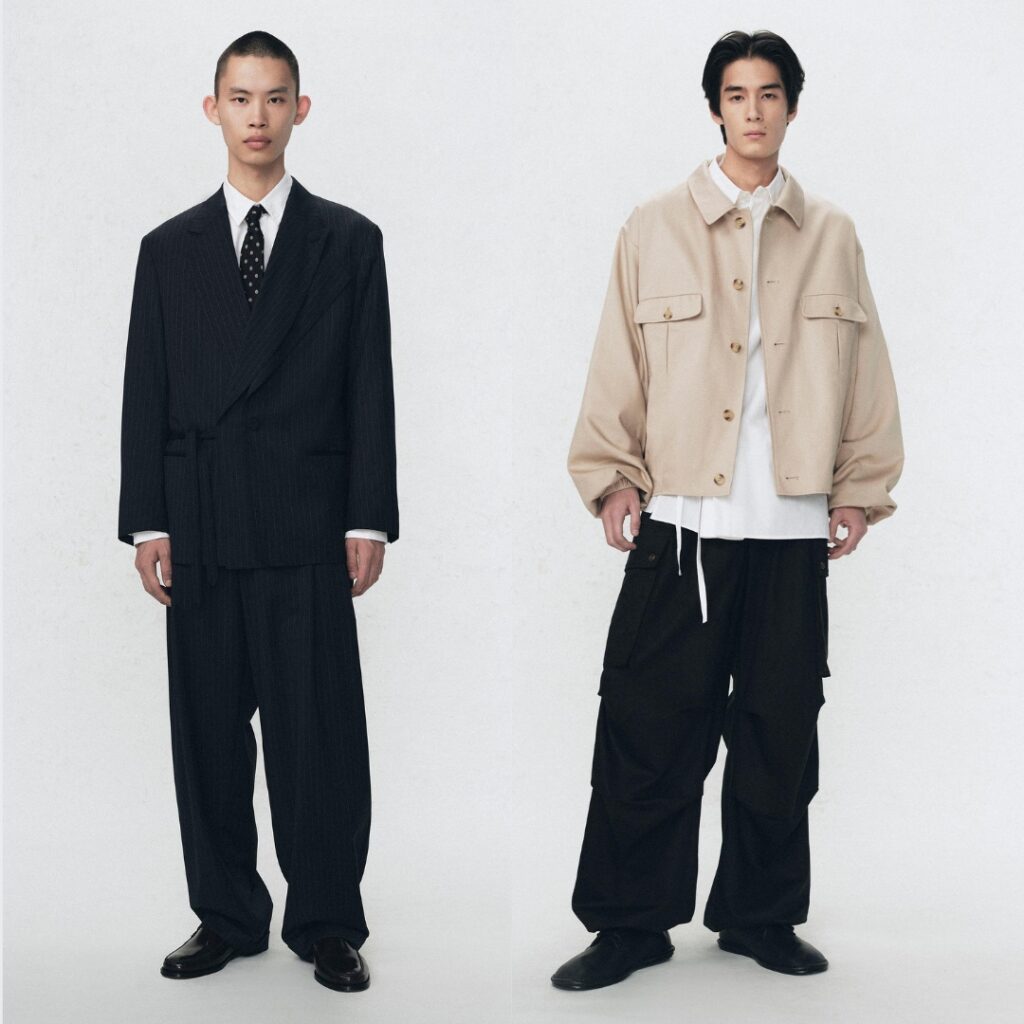
Structured shapes softened with comfort-driven details.
Childrenswear
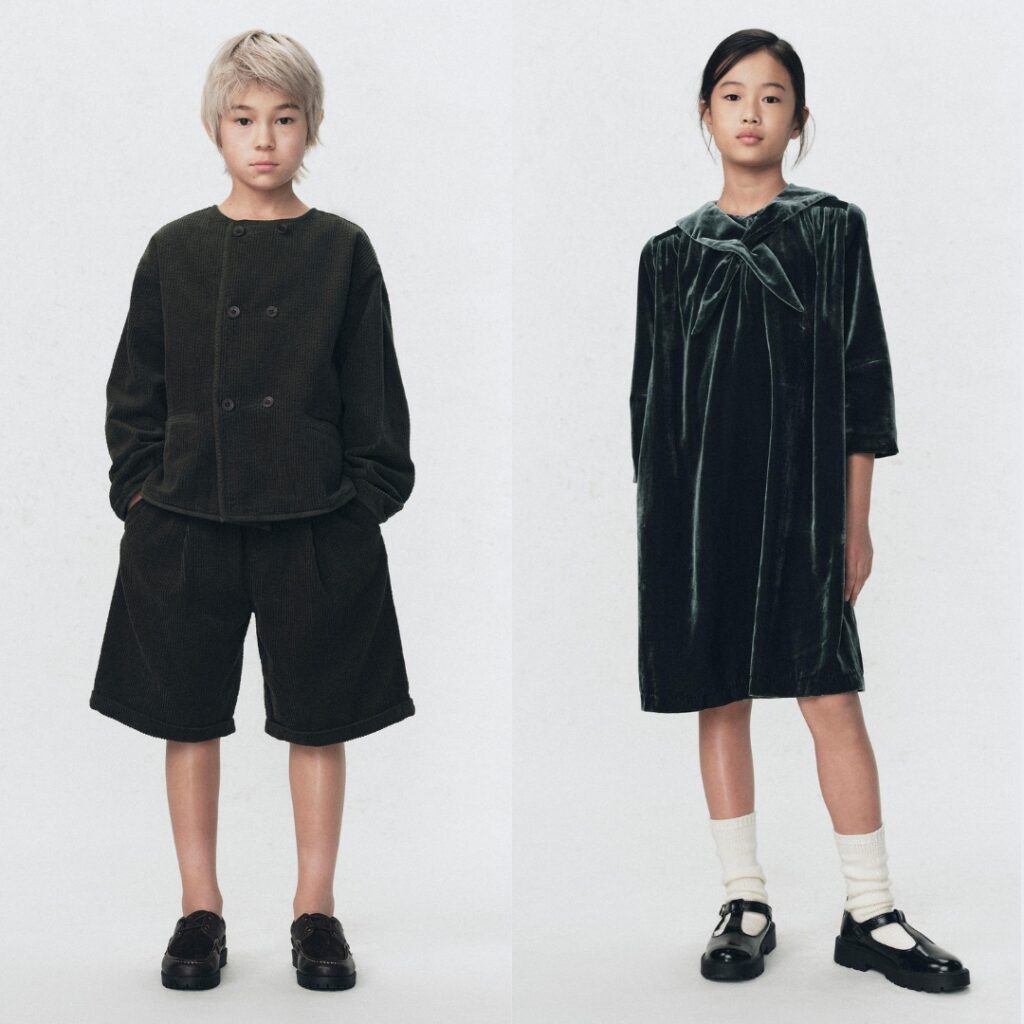
Pieces inspired by Otsuki’s childhood, many echoing handmade garments.
“Many of my childhood clothes were made by my mother,” Otsuki reflects. “That intimacy shaped the designs.”
Zara allowed him to explore emotions beyond the scope of his own label, expanding his creative vocabulary through an accessible global platform.
The collection launched on December 4 online and in selected stores.
Zara’s Position: Still Number One in Global High Street Fashion?
Yes. And this collaboration reinforces it.
In 2025, Inditex—the group behind Zara—surpassed LVMH in profits, reaching $5.5 billion and officially becoming the world’s top-performing fashion conglomerate.
Under Marta Ortega, Zara has embraced an aesthetic evolution powered by:
- designer collaborations
- architectural store redesigns
- cultural programming
- image-driven storytelling
The brand continues to shape the global fashion landscape with remarkable agility and cultural accuracy.
What Japanese Family Dynamics Teach Us About Human Connection
To understand the emotional undertone of the collection, it helps to look at how young Japanese people relate to family today. These dynamics quietly inform how Japanese designers explore themes like belonging, nostalgia and social bonds.
1. Respect remains strong, but obedience is no longer automatic.
Young adults prioritise autonomy, mental health and lifestyle freedom. Families discuss and negotiate rather than impose rigid hierarchies.
2. Living with parents into the late 20s or 30s is normal.
Driven by high living costs and cultural comfort with multigenerational homes, this arrangement reflects practicality rather than dependency.
3. Japanese families communicate through action, not words.
Loyalty is expressed silently through:
- household support
- financial contributions
- regular visits
4. Filial responsibility is still deeply felt.
Children often feel obliged to support ageing parents, a value shared more equally between men and women today.
5. Hikikomori highlights the darker side of social pressure.
A minority of young people withdraw from society due to academic and professional pressures, and families respond with patience and long-term support.
6. The next generation is more emotionally open.
Parents in their 30s are raising children with clearer communication and shared responsibilities, shifting toward a less hierarchical, more expressive family model.
Japan teaches us that connection doesn’t need to be loud; it can be gentle, consistent and deeply symbolic.
Exactly the energy the SOSHIOTSUKI x ZARA collection channels.
SHARE



