How AI Is Changing Fashion Campaigns and Visual Storytelling

During Paris Fashion Week, my daughter was in Paris with friends, one of them a well-known fashion photographer with Hermès on his portfolio and the kind of eye that can probably spot a weak campaign from across the Seine. While he continues to work for major luxury brands, I found myself thinking about a question that feels both futuristic and oddly immediate: how is AI changing fashion campaigns and visual storytelling? And perhaps more importantly, will we soon grow used to seeing AI models in AI-generated settings without blinking an eyelid?
Fashion has always dealt in illusion. It has long been known how to flatter reality, blur its edges and dress fantasy in silk, sequins and immaculate lighting. So in some ways, artificial intelligence does not arrive as an intruder. It arrives more like a distant cousin: polished, persuasive and ever so slightly unsettling at dinner.
But AI is doing more than adding a fresh layer of gloss. It is reshaping how fashion images are imagined, produced, adapted and distributed. Campaigns are no longer single polished statements pinned to a billboard like butterflies under glass. They are sprawling visual worlds, expected to live everywhere at once: on Instagram, in e-commerce, on TikTok, in newsletters, on giant screens and on the small glowing rectangle that now functions as humanity’s collective front row.
The question is no longer whether fashion will use AI. It already is. The more interesting question is what that will do to fashion’s visual language — and whether that language will still feel human once the pixels start dreaming for themselves.
Why AI Matters in Fashion Campaigns Now
Fashion campaigns used to move at the pace of orchestras. There was planning, casting, travel, fittings, shooting, editing, retouching, approvals, panic, and then a little more panic in better tailoring.
Now the rhythm is closer to speed dating with a ring light.
Brands are under pressure to produce more images, more formats, more versions and more content for more platforms than ever before. One campaign image is no longer enough. A brand may need dozens of variations for different markets, audiences, seasons, devices and channels. The same visual story now has to walk in stilettos, ballet flats and trainers, all at once.
That is where AI becomes so tempting. It promises speed, flexibility and scale — three things fashion has always desired, even when pretending to be above such practical concerns.
How AI is Changing Fashion Visual Storytelling
The biggest shift is not simply that AI can create images. It is that AI is changing the whole rhythm of visual storytelling.
Instead of moving in a straight line from concept to execution, fashion campaigns can now evolve more like a conversation. Teams can test moods, rework settings, experiment with colour, alter backgrounds, refine compositions and explore multiple directions before the final campaign is even shot — or in some cases, without a traditional shoot at all.
That changes the creative process rather dramatically.
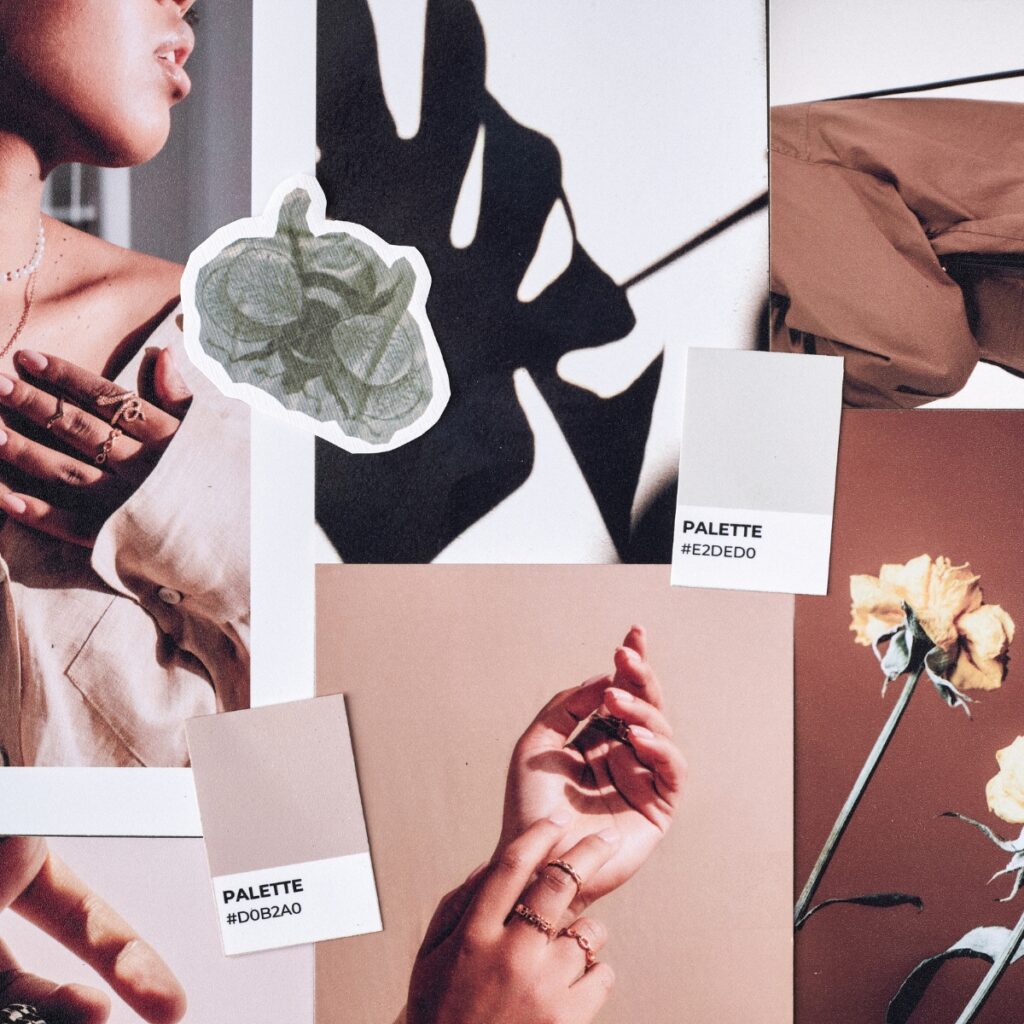
The moodboard is no longer just a static collection of references. It becomes something more alive, more impatient, more slippery. A moodboard with ambition. A moodboard that has had caffeine and discovered shortcuts.
For fashion brands, this means visual storytelling can become more iterative and more responsive. A campaign does not have to be fixed so early. It can stretch. It can adapt. It can flirt with several identities before choosing the one that wears best.
All kinds of creative AI tools are becoming part of fashion’s visual workflow, helping teams test ideas, refine imagery and scale content without slowing the creative pulse.
That flexibility is both thrilling and dangerous. Thrilling, because it opens new creative doors. Dangerous, because too much ease can produce imagery that looks polished but emotionally vacant — beautiful in the way hotel lobby flowers are beautiful: immaculate, expensive and somehow dead behind the eyes.
AI-Generated Models and AI-Generated Settings: Are We Ready?
This is where things become more philosophically dressed.
If fashion has always sold aspiration, then AI-generated models and AI-generated worlds feel like the logical next chapter. Not real women in real places, but idealised figures floating through immaculate dreamscapes where not a single hem is crooked, and no one has ever had to wait for a car in the rain.
And yet the question remains: do we actually want this?
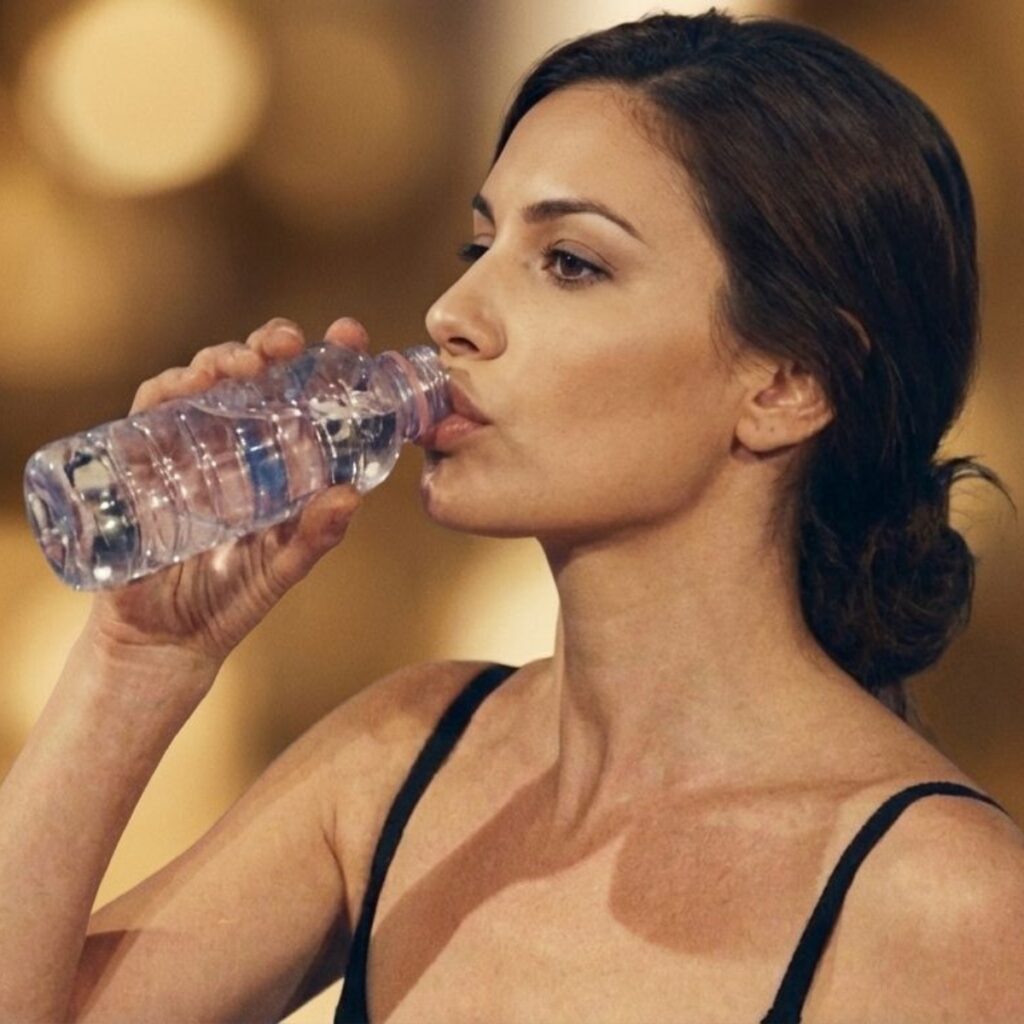
AI-Generated Image
Will audiences embrace AI models in AI-generated settings as simply another aesthetic tool? Or will they tire of images that feel too frictionless, too perfect, too untouched by life?
Fashion has always loved fantasy, but the best campaigns usually carry a pulse beneath the polish. A flicker of tension. A touch of wit. Something slightly off, slightly human, slightly dangerous. Desire rarely lives in perfection alone. Perfection is admirable, but it is not always seductive. Sometimes it just sits there, smug as a swan.
AI-generated imagery may become normal, yes. In fact, it probably will. The eye adapts quickly, and the internet has a remarkable talent for turning the uncanny into the everyday. But acceptance is not the same as emotional connection. We may get used to seeing AI models. That does not mean we will always remember them.
How Fashion Brands Are Using AI in Content Creation
The practical uses of AI in fashion are not difficult to imagine. Brands can use it to accelerate concept development, visual experimentation, product storytelling and campaign localisation. Creative teams can build multiple versions of a visual asset for different channels, regions or audiences without rebuilding everything from scratch.
It is easy to see why this has appeal.
Luxury wants magic, but marketing departments also want deadlines met. Editorial teams want beauty, but digital teams need fifteen crops, six dimensions, three versions and a miracle before Thursday. AI slips into this gap like a very efficient assistant who never asks for lunch.
That said, AI may assist the process, but it does not automatically create taste. It can generate options. It can multiply outputs. It can make the machinery run faster. What it cannot do, at least not convincingly, is decide what feels truly chic, culturally sharp or emotionally resonant. It has data. It does not have instinct.
What AI Means For Fashion Photography
For photographers, AI is not merely a technical update. It is more of an existential eyebrow raise.
Fashion photography has always been about more than image quality. It is about atmosphere, tension, composition, timing and point of view. The photographer does not simply document clothes; he or she constructs a world around them. That world carries memory, mood, seduction and authorship.
So when AI enters the frame, it inevitably raises a difficult question: if an image can be generated, manipulated or expanded almost infinitely, what becomes of the photographer’s signature?
The answer, I suspect, is not extinction but elevation.
The easier images become to produce, the more valuable distinctive visual intelligence becomes. If everyone can generate something glossy, then gloss loses its glamour. What begins to matter more is perspective. Wit. Restraint. The confidence to know when an image is finished and when it is merely overworked in high resolution.
AI may alter the tools of fashion photography, but it also makes genuine authorship more precious.
The Risk of Fashion Campaigns Becoming Visually Generic
Here lies the real danger.
The problem with AI is not only artificiality. It is sameness.
When too many brands use the same prompts, the same shortcuts, the same references and the same frictionless aesthetics, visual storytelling begins to collapse into a bland parade of expensive nothingness. Everything looks glossy. Everything looks cinematic. Everything looks vaguely luxurious. Nothing lingers.
And fashion, of all industries, should know that sameness is death in better packaging.
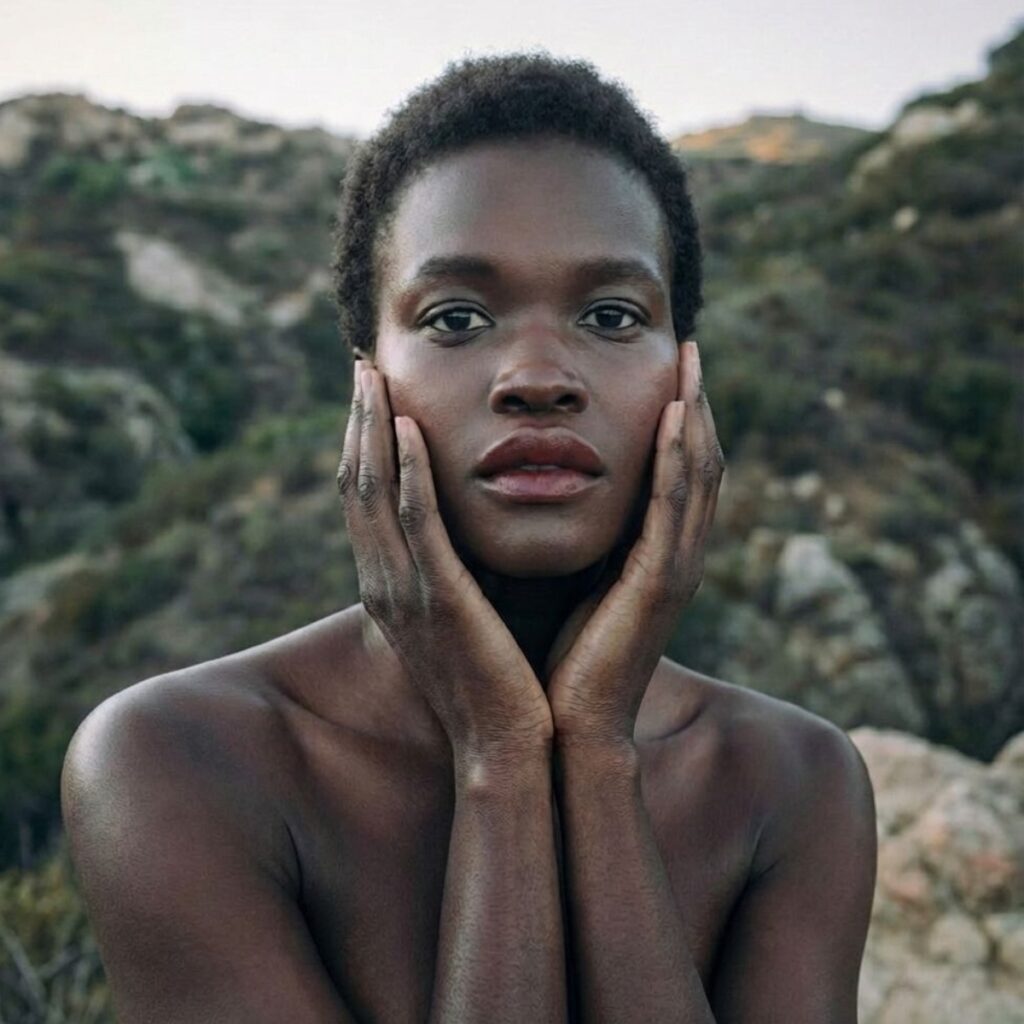
AI-Generated Image
If AI is used lazily, campaigns may become technically polished but creatively beige. The images may be clean, but the identity behind them will blur. And in fashion, identity is not a decorative extra. It is the whole game.
The brands that use AI well will not be the ones that let it take over. They will be the ones that use it selectively, intelligently and with enough self-awareness to preserve what makes them recognisable.
Is AI the Future of Fashion Storytelling?
Yes, but not in the simplistic way people like to declare on panels while holding lukewarm oat milk cappuccinos.
AI is not the future because it will replace human creativity. It is the future because it will increasingly shape the infrastructure around creativity. It will influence how ideas are tested, how images are built, how campaigns are scaled and how stories are adapted across channels.
But fashion storytelling will still live or die by human judgment.
The eye still matters. Taste still matters. Humour still matters. Mystery still matters. The ability to make an image feel like a world, rather than just content, still matters very much indeed.
So yes, we may soon become used to seeing AI models in AI-generated settings. We may scroll past them without surprise. We may even admire them.
But the campaigns that stay with us will still be the ones that feel like they were made with more than technical efficiency. They will be the ones with personality, tension, elegance and a little mischief. In other words, the ones that still remember fashion is not only about looking perfect. It is about making people feel something slightly irrational.
And no machine, however sophisticated, has fully mastered that trick yet.
Feature Image – AI-Generated by @notorious-mag
SHARE



