Professional Burnout among Beauty Industry Professionals: A Global Analysis of Causes and Preventive Educational Methods

The article presents a global analysis of the phenomenon of professional burnout among beauty industry professionals. The study aims to systematise the multifactorial causes of burnout syndrome and to evaluate the effectiveness of preventive educational methods integrated into systems of professional training and continuous development. The research addresses the identification of industry-specific determinants of burnout, the synthesis of international experience in implementing psychological and pedagogical programs within educational processes, and the development of practical recommendations for educational institutions and beauty salons. The practical significance of the study lies in proposing a structural model of an educational module aimed at fostering resilience to professional stress among future beauty professionals.
Burnout: A Serious Challenge For The Beauty Sector
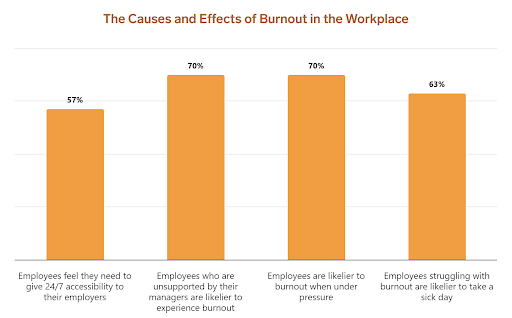
Professional burnout represents a serious challenge for the service sector, which is characterised by a high intensity of interpersonal interactions. In the beauty industry, where professional activity involves physical strain, emotional empathy, and the constant need for client-oriented behaviour, the prevalence of burnout has reached the level of an industry-wide issue. High staff turnover, declining service quality, and deterioration of specialists’ psychological well-being cause significant economic and reputational damage to businesses.
In this context, there is a growing need to shift the focus from treating the consequences of burnout to its prevention, with the professional education system playing a central role. The purpose of this article is to substantiate the necessity of integrating preventive methods into the training of beauty industry professionals and to outline key directions for such integration, based on an analysis of international research and pedagogical practices.
Conceptual Foundations and Industry-Specific Characteristics of Burnout
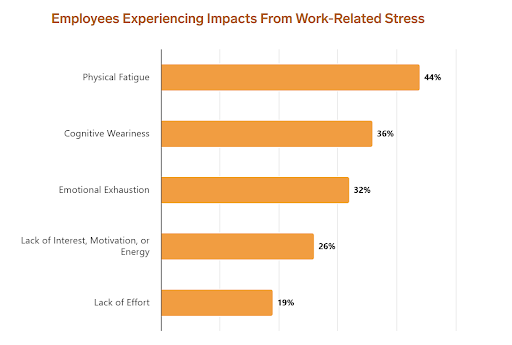
In the classical model proposed by C. Maslach, professional burnout is described through three core components: emotional exhaustion, depersonalization, and reduced personal accomplishment. When applied to beauty industry professionals, these components acquire distinct industry-specific characteristics. Emotional exhaustion is intensified by the constant requirement to display positive emotions and empathy within the framework of “emotional labor,” leading to the depletion of psychological resources [1]. Depersonalization may manifest as formalized communication with clients and a cynical attitude toward their requests. Reduced personal accomplishment is expressed through feelings of incompetence and decreased self-esteem against the background of physical fatigue.
Industry-specific risk factors include irregular working hours, prolonged work in static physical positions, exposure to toxic chemical substances, and income dependence on commission-based sales, which creates a chronic state of financial instability.
Global Epidemiology and Determinants of the Phenomenon
International studies confirm the widespread prevalence of this issue. Research conducted among hairdressers and cosmetologists in Europe identified clinically significant symptoms of emotional exhaustion in more than 40% of respondents [2]. Similar findings have been reported in North America, where burnout levels in the beauty industry exceed average indicators observed in many other service sectors.
The analysis reveals a complex set of determinants, which can be categorized as organizational, client-mediated, and personal. Organizational determinants include the absence of clear job descriptions, unfair compensation systems, lack of managerial support, and workplace conflicts. Client-mediated stress arises from interactions with difficult clients, inflated expectations, and the need to manage clients’ emotional states. Personal factors include perfectionism, high anxiety levels, and underdeveloped psychological self-regulation skills, which are particularly significant during the early stages of a professional career.
Preventive Educational Strategies and Methods
The professional education system possesses significant potential for burnout prevention by fostering adaptive coping strategies and managerial skills among future professionals. Educational modules integrated into training programs and encompassing several key areas have demonstrated effectiveness.
Psychohygiene and Stress Management: training in cognitive-behavioral techniques and emotional self-regulation reduces anxiety levels and helps prevent emotional exhaustion [3].
Communication Management: training in assertive communication, conflict resolution, and the establishment of psychological boundaries within “professional–client” relationships contributes to lower levels of depersonalization.
Financial and Entrepreneurial Literacy: the development of personal financial management, career planning, and freelance management skills reduces stress associated with economic uncertainty.
Ergonomics and Physical Well-Being: instruction in proper workplace organization, exercises to relieve muscular tension, and work–rest balance constitutes an essential element of prevention.
Global experience demonstrates successful cases of implementing such programs. In a number of technical colleges in Canada and Australia, mandatory “Professional Resilience” modules have been introduced into curricula for future stylists and cosmetologists. These modules combine theoretical instruction with practical workshops on stress management [4]. Evaluation of program effectiveness indicates a statistically significant reduction in emotional exhaustion and depersonalization among graduates during the first two years of professional practice compared to control groups.
Implementation and Organisational Aspects of Prevention
The successful implementation of preventive strategies requires cooperation between educational institutions, beauty salons, and professional associations. For educational institutions, this entails revising educational standards and preparing teaching staff to deliver new disciplines. For beauty salons, effective measures include the development of mentorship programs for newcomers, the creation of clear career pathways, and the provision of regular professional development opportunities, which contribute to reducing the decline in personal accomplishment.
Research in organisational psychology emphasises that managerial support and a fair organisational culture serve as critical buffers against the development of burnout syndrome [5]. Corporate health and well-being programs that include psychological counselling and stress reduction activities demonstrate positive outcomes in the form of reduced staff turnover and increased productivity.
The conducted analysis allows the conclusion that professional burnout among beauty industry professionals is a systemic problem generated by a complex interaction of industry-specific, organisational, and personal factors. Addressing its consequences requires a proactive approach in which the professional education system plays a central role. The integration of specialised modules into educational curricula—aimed at developing skills in psychological self-regulation, communication management, and entrepreneurial competence—equips future professionals with internal resources to counteract occupational stress.
Global experience confirms the effectiveness of such educational initiatives. Further development in this field предполагает the creation of unified international educational standards in occupational psychohygiene for the beauty industry, as well as the conduct of longitudinal studies to assess the long-term impact of preventive programs on career trajectories and the well-being of professionals.
References
1. Maslach C., Leiter M. P. The Truth About Burnout: How Organizations Cause Personal Stress and What to Do About It. – San Francisco: Jossey-Bass, 1997. – 186 p.
2. Garbarino S., Cuomo G., Chiorri C., Magnavita N. Association of work-related stress with mental health problems in a special police force unit // BMJ Open. – 2013. – Vol. 3, No. 7. – P. 1-9.
3. Awa W. L., Plaumann M., Walter U. Burnout prevention: A review of intervention programs // Patient Education and Counseling. – 2010. – Vol. 78, No. 2. – P. 184-190.
4. Dollard M. F., Opie T., Lenthall S. et al. Psychosocial safety climate as an antecedent of work characteristics and psychological strain: A multilevel model // Work & Stress. – 2012. – Vol. 26, No. 4. – P. 385-404.
5. Leiter M. P., Maslach C. Banishing Burnout: Six Strategies for Improving Your Relationship with Work. – San Francisco: Jossey-Bass, 2005. – 213 p.
Guest writer: Telpiz Marina, Expert in Management and Training in the Beauty Industry
SHARE



