The Dark Side of Eternal Youth

Why anti-ageing has become beauty’s most elegant illusion
Eternal youth is the chicest fantasy money can buy.
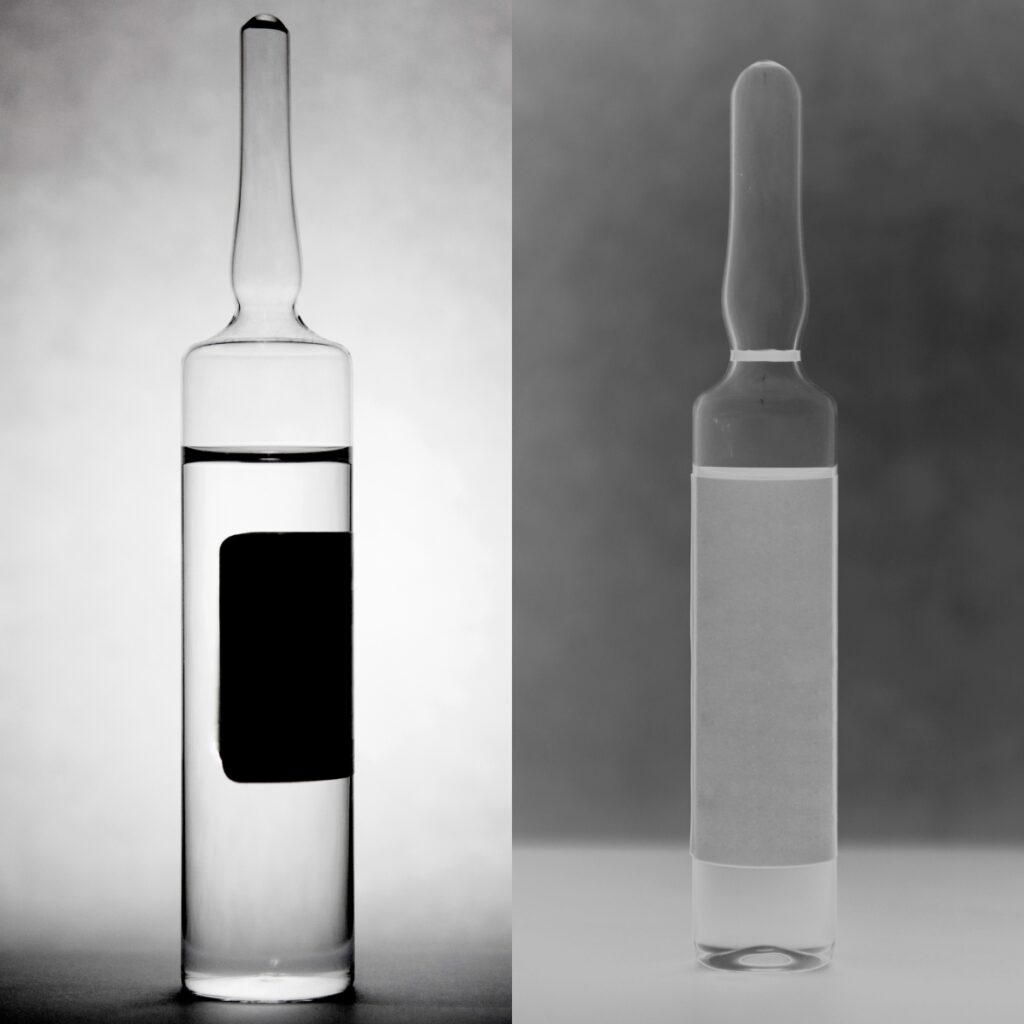
It arrives in frosted glass bottles, in clinic appointments, in refrigerated peptide vials, in polished promises whispered across TikTok, Instagram and private wellness circles. It tells us that ageing is not a fact of life, but a problem to solve. A flaw to correct. A softness to erase.
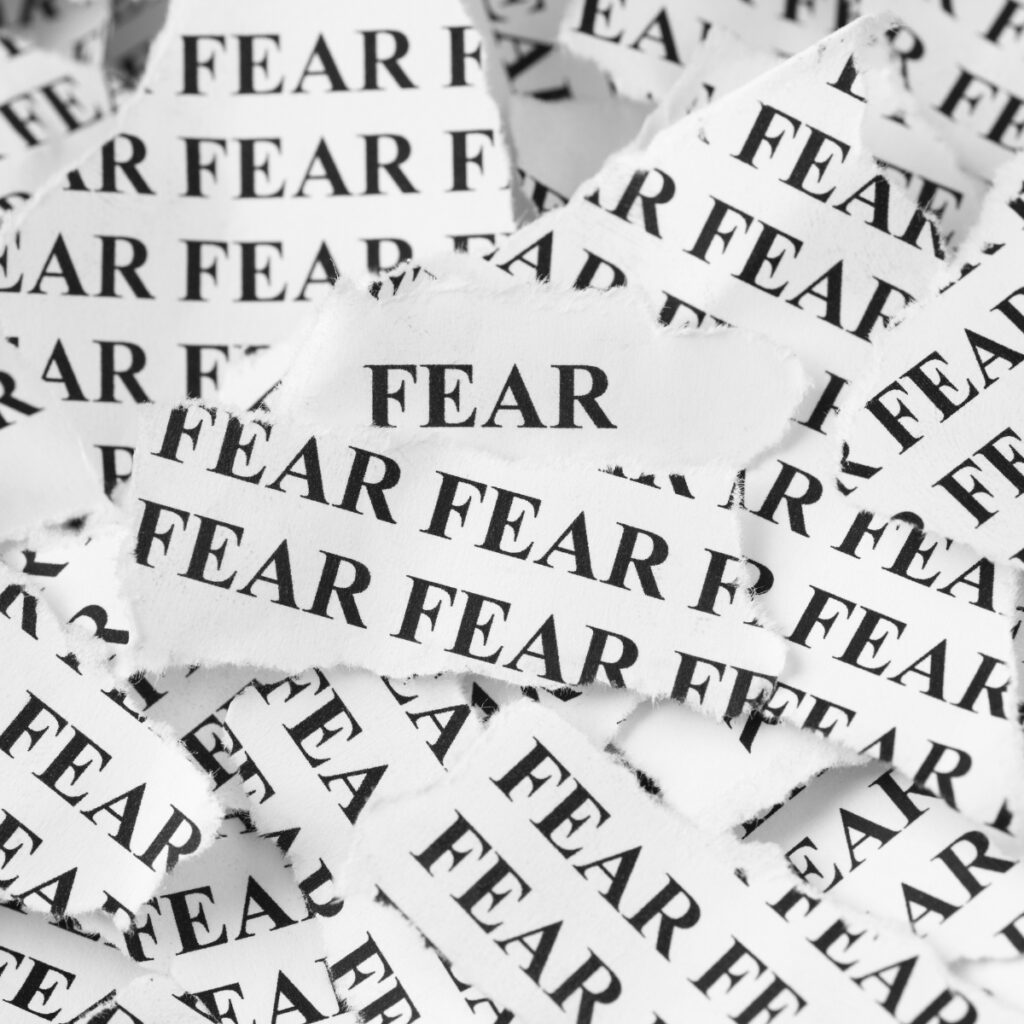
But the obsession with anti-ageing is not really about beauty. It is about fear.
Fear of ageing, yes. Fear of losing desire, relevance and control. Fear of becoming less visible in a culture that worships freshness like a religion. And beneath all of that, the oldest terror of all: death.
That is the real seduction of eternal youth. It offers more than aesthetics. It offers emotional denial in luxury packaging.
Youth is no longer a phase — it is a power asset
Once upon a time, youth was simply a season. Now it is social capital.
A face untouched by time is sold as discipline. A body that refuses to change is sold as success. Ageing, by contrast, is treated like an administrative error — something to retouch, resurface, inject or quietly airbrush out of existence.
Social media has taken this anxiety and turned it into a spectacle. TikTok sells longevity in bite-sized miracles. Instagram turns youth into a visual ideology. YouTube offers wealthy men conducting experiments on their own bodies as though mortality were just a tech issue awaiting disruption.
The message is hypnotic: ageing is negotiable, and time can be managed with enough effort, information and money.
It is the oldest myth in the world, now wearing designer athleisure.
The new Dorian Gray is holding a syringe
We have always wanted to outrun time. That part is not new.
What is new is the branding. The fantasy now speaks the language of optimisation: biohacking, cellular renewal, age reversal, longevity stacks, regenerative medicine. It sounds scientific, sleek and irresistibly elite — part science, part status symbol, part sci-fi fever dream.
And then, of course, there is the peptide craze.
Peptides are the latest anti-ageing fetish: half medical trend, half beauty cult. They are discussed with the urgency of a market secret and injected with the confidence of proven wisdom. Everyone seems to be trying them, selling them or casually mentioning them over lunch as though self-experimentation were the new Pilates.
The problem is that the cultural mania has outpaced the science. In many cases, the evidence is still limited, the long-term effects remain unclear, and the glamour surrounding them says far more about our desperation than about medical certainty.
It is not so much a revolution as a very expensive form of hope.
What actually makes a life longer — and better

The irony, of course, is that the most reliable tools for a longer, healthier life are almost insultingly unglamorous.
Eat well.
Move consistently.
Sleep properly.
Keep the faith.
Stay close to people you love.
No cinematic reveal. No futuristic serum. No immortality-coded protocol with a members-only waiting list.
And yet this is where the real answer lives. One of the clearest findings from the Harvard Study of Adult Development, one of the longest-running studies on human life, is that good relationships are among the strongest predictors of a long, healthy and happy life.
Not a perfect jawline.
Not endless tweaking.
Not panic dressed as wellness.
But connection. Stability. Meaning. Affection. A sense that your life is held together by more than appearances.
Perhaps ageing is not the tragedy we were taught to fear

The tragedy is not that we age.
The tragedy is that so many people spend their lives treating age as failure, instead of evidence of having lived.
Of course, it is natural to want vitality, beauty and strength. There is nothing wrong with wanting to look good, feel good and care for the body you live in. But there is a difference between care and obsession. Between health and hysteria. Between elegance and fear.
Because anti-ageing, at its most feverish, is not self-care. It is often a refusal to make peace with reality.
And reality, inconveniently, does not care how much we spend trying to resist it.
True luxury may be something else entirely
Maybe true luxury is not looking 30 forever.
Maybe true luxury is arriving at every age still luminous — with curiosity, intelligence, humour, love and soul intact. Maybe it is having enough inner composure not to confuse youth with worth. Maybe it is knowing that a meaningful life will always outshine a frozen face.
The market will continue to sell eternal youth as though it were salvation.
But perhaps the more radical aspiration is simpler: not to live forever, not to look untouched, but to live well — and to wear time beautifully.
SHARE



