Dior Easter Egg: The History of Easter’s Most Beautiful Symbol

At Dior, Easter arrives in dark and white chocolate. But behind this beautiful object lies a much older story: one about faith, spring, restraint, and why an egg became one of Christianity’s most enduring symbols.
At a moment when luxury often confuses size with meaning, Dior has done something more charming for Easter: it has made a chocolate egg that feels both playful and ceremonial.
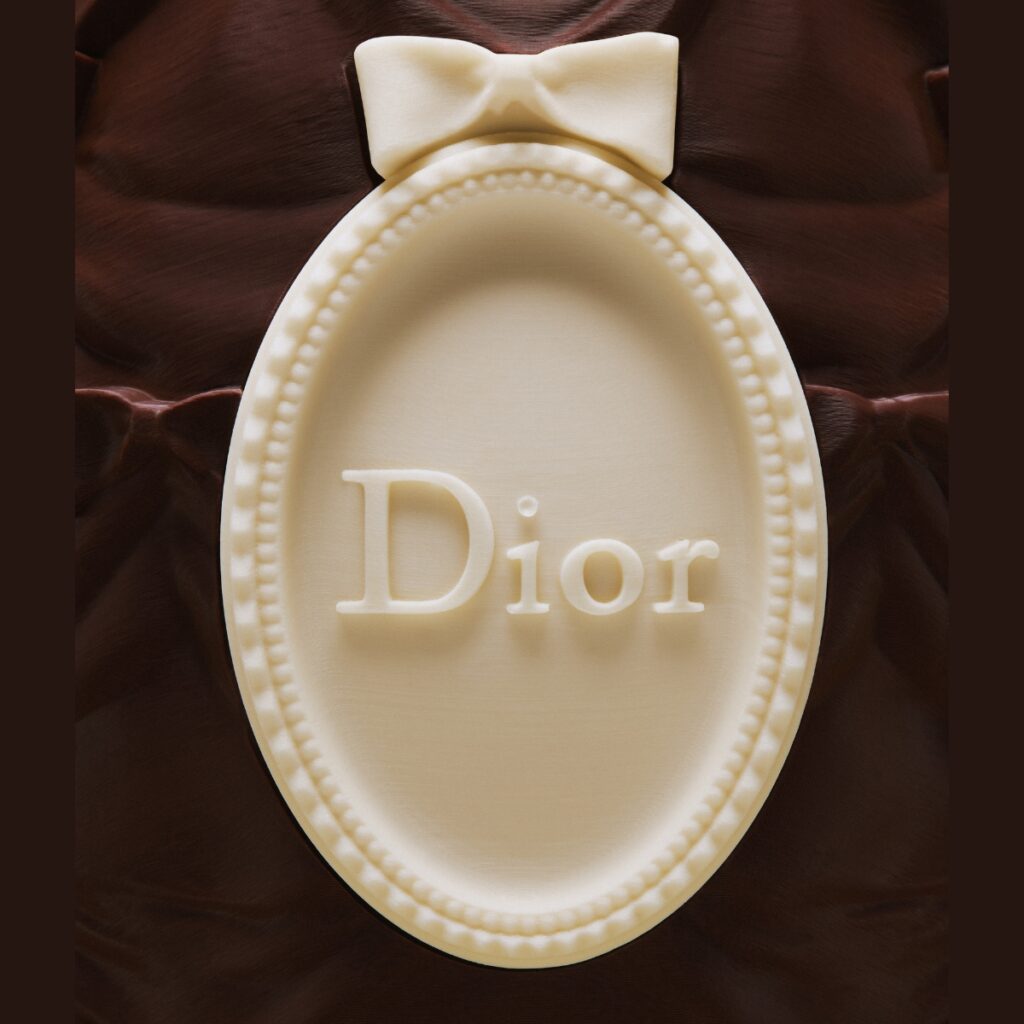
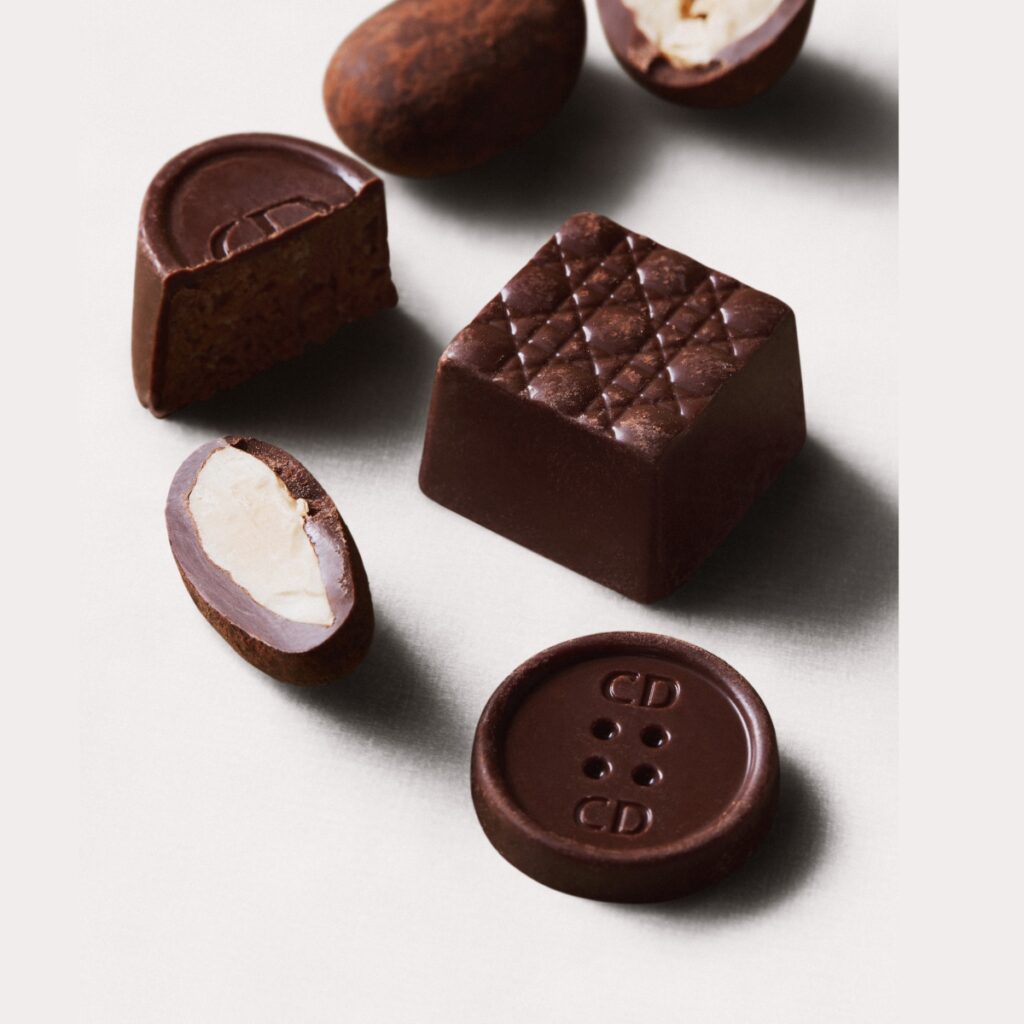
Unveiled for Le Jardin du 30 Montaigne, the Dior Easter egg was designed by celebrated French chef Yannick Alléno. The piece is made from dark and white chocolate and takes its visual cue from one of Christian Dior’s house emblems: the medallion, finished with a bow. Inside are smaller chocolate surprises shaped with Dior codes, including the cannage pattern, a button, and the “CD” initials, with textures and flavours built around hazelnuts, almonds, puffed rice praline and sobacha. It is available from March 23, exclusively at Le Jardin du 30 Montaigne.
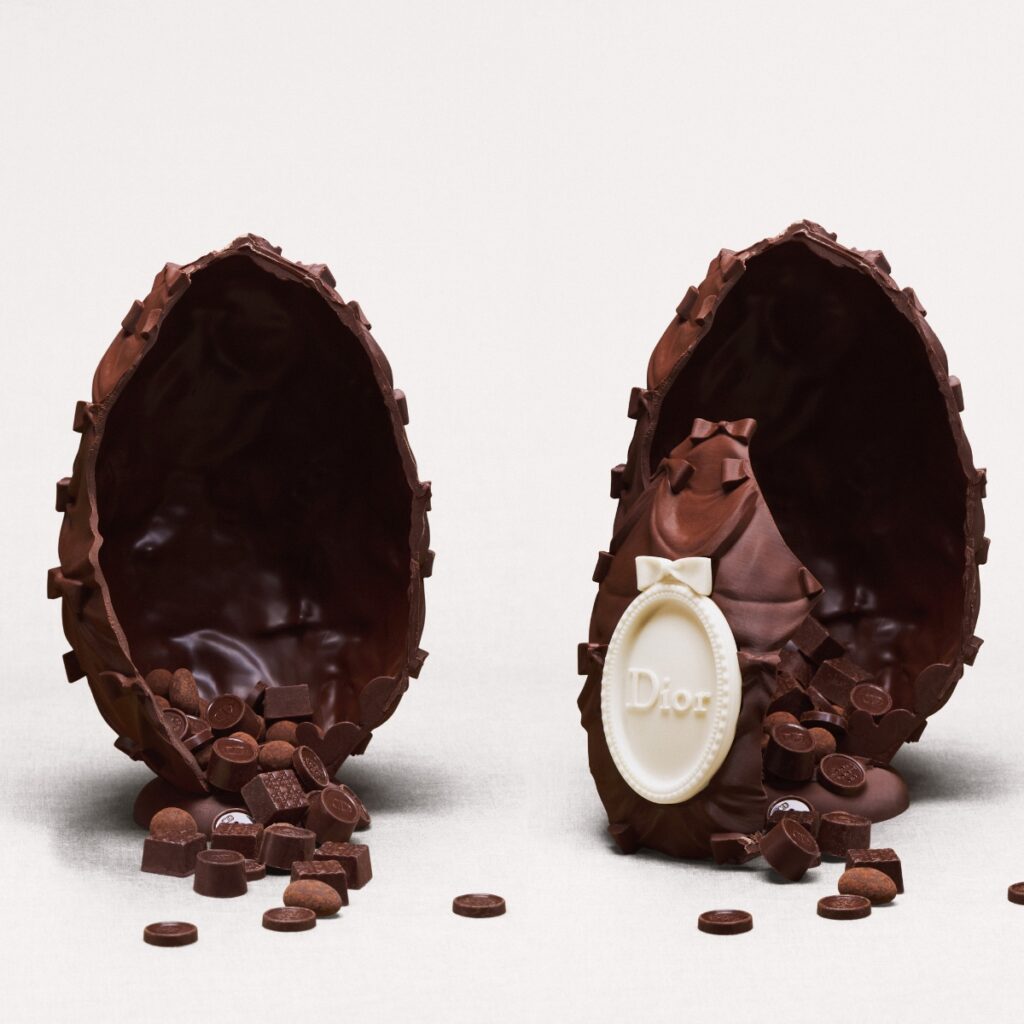
What makes it appealing is not only the object itself, though yes, it is beautiful in that very Dior way, polished but not cold. It is that the house has chosen the right symbol. Because the Easter egg was never just a decoration. Long before it became foil-wrapped sugar theatre, it stood for something larger: life after scarcity, hope after waiting, and resurrection after grief.
Read Also – All About The Fabulous Fabergé Easter Eggs
Why Dior’s Easter Egg Works
The strongest luxury objects are not the loudest ones. They are the ones who understand ritual.
Dior’s egg does exactly that. It turns a seasonal confection into a small piece of house mythology. The oval medallion and bow recall couture language rather than novelty, while the hidden chocolates extend the game with familiar Dior signatures. It is fashion translated into appetite, with taste working in every sense.
There is also something very French about the whole gesture. Easter in Europe still carries traces of ceremony even for people who are not especially devout: family lunch, polished shoes, spring flowers, children hunting for eggs in gardens still cold from the morning. Dior’s version understands that Easter is not only a commercial date. It is an atmosphere.
Who Is the Chocolatier Behind the Dior Easter Egg?
The chocolatier behind this creation is Yannick Alléno, one of France’s most decorated chefs. On his official site, Alléno is described as having restaurants around the world and 16 Michelin stars, and Michelin recognised him with its 2024 Chef Mentor Award. His group also notes that he opened his own chocolaterie in 2021, which helps explain why Dior’s Easter project feels like more than a licensing exercise.
That matters. When fashion houses move into food, the result can easily become PR with calories. But Alléno has the technical seriousness to make the object credible. He is not merely decorating chocolate; he is working within a French gastronomic tradition where craft, symbolism, and pleasure are allowed to coexist without embarrassment. Dior supplies the codes. Alléno supplies the substance.
Why Is an Egg the Symbol of Easter?
Perhaps the real question is not why an egg, but why not an egg.
The symbolism is almost too perfect. In Christian tradition, the egg came to represent the Resurrection of Christ: life emerging from what appears closed and lifeless. Britannica notes that the egg became a symbol of resurrection precisely because it suggests new life breaking through a shell, much as Christ rose from the tomb. In many Eastern Christian traditions, eggs were dyed red to evoke the blood of Christ.
But the story is layered. Eggs were also practical. During the medieval period, Christians did not consume eggs during Holy Week, and in many places, during Lent more broadly. Chickens, however, did not stop laying. Eggs accumulated, and once the fasting period ended, they became part of the Easter celebration. And the use of decorated Easter eggs was first recorded in the 13th century, tied to this pattern of abstinence and release.
That logic still feels surprisingly modern. Easter follows restraint. Feast follows fast. Joy is sharper when it has been preceded by discipline. This, incidentally, is also why so much contemporary luxury feels flat: it wants indulgence without the dignity of waiting.
Did Easter Eggs Exist Before Christianity?
Yes, in a broader seasonal sense.
Scholars and museums have long noted that eggs were associated with spring, fertility, and renewal in pre-Christian customs. The decorated egg traditions point to Eastern Europe, especially in what is now Ukraine, that likely reach back to pre-Christian spring rites celebrating the return of light and life. Christianity did not invent the egg as a sign of renewal; it reinterpreted and absorbed that symbolism into the Easter story.
This does not weaken the Christian meaning. If anything, it explains the endurance of the symbol. Christianity often worked by taking what human beings already understood instinctively, light, water, bread, wine, seeds, seasons, and giving them theological depth. The egg survived because it already spoke a language people recognised.
When Did Chocolate Easter Eggs Begin?
The chocolate version came much later.
Decorated real eggs belong to the medieval Easter custom, but chocolate eggs are a product of the 19th century. Reliable historical accounts place their emergence in France and Germany in the early 1800s, at first mostly as solid eggs. In Britain, J. S. Fry & Sons produced the first British chocolate egg in 1873, and Cadbury followed with its own Easter egg in 1875.
In other words, the chocolate egg is relatively new, but the instinct behind it is old: take a serious symbol and make it tangible, giftable, edible. Religion understands objects. So does fashion. Perhaps that is why Dior’s Easter egg feels less frivolous than it sounds on paper.
Why the Easter Egg Still Matters
What we rarely admit is that modern life is hungry for ritual, even while pretending to be above it.
The Easter egg endures because it gathers several things people still want, whether they say so or not: beauty, sweetness, memory, family, and the promise that life can return after a barren season. For Christians, that promise is not abstract. Easter is the centre of the story. For everyone else, the egg still carries the quieter emotional logic of spring: the world opening again.
That is why Dior’s chocolate egg lands so neatly. It does not just sell chocolate. It taps into an old European grammar of celebration, one shaped by Lent, Resurrection, and the art of marking time properly. In a culture that flattens every holiday into content, there is something almost refreshing about an object that still understands ceremony.
And honestly, if one must eat symbolism, it may as well come embossed with a bow.
Dior Easter Egg available from March 23, exclusively at Le Jardin du 30 Montaigne – 32 Avenue Montaigne, 75008, Paris
SHARE



